Vision Boarding and Goal Setting: How to Start Your New Year with Purpose
- Sadie Cubitt

- Dec 29, 2025
- 6 min read
The truth is, most New Year's resolutions are dead by February. You know it, I know it: we've all been there. We make grand promises to ourselves on January 1st, only to watch them crumble faster than a stale mince pie. But what if there was a way to actually stick to your goals? What if you could start your year with genuine purpose instead of fleeting motivation?
Enter vision boarding: not the fluffy, wishful-thinking exercise you might imagine, but a powerful tool that combines visual psychology with strategic goal setting. The truth is, when you can see your future clearly, you're far more likely to create it.
Why Your Brain Craves Visual Goals
Here's something fascinating: your brain processes visual information 60,000 times faster than text. When you create a vision board, you're essentially giving your subconscious mind a clear blueprint of what you want to achieve. It's not magic: it's neuroscience.
The truth is, most people set goals in their heads or scribble them down once, then forget about them. Vision boards keep your aspirations front and centre, creating what psychologists call "selective attention." You know how you suddenly notice red cars everywhere after deciding you want one? That's your reticular activating system at work, and vision boards hack this same mental process.

The Foundation: Self-Reflection Before Action
Before you start cutting out magazine pictures or Pinterest screenshots, you need to do the groundwork. The truth is, effective goal setting starts with honest self-reflection: and this is where most people skip ahead too quickly.
Grab a journal and ask yourself these questions:
What worked in your life this past year?
What didn't serve you well?
What lessons have you learned about yourself?
What are you genuinely grateful for?
This isn't about dwelling on the past: it's about understanding your patterns so you can build on your strengths and address your blind spots. The truth is, goals without self-awareness are just pretty pictures on a wall.
Consider Sarah, a marketing manager who kept setting fitness goals but never achieved them. Through reflection, she realised her past approaches failed because she'd chosen activities she actually hated. Her vision board now includes images of hiking trails and dance classes: activities that align with her personality, not just her fitness goals.
Mapping Your Life Areas
The truth is, a balanced life requires attention to multiple areas, not just your biggest dream. When creating your vision board, consider these key life domains:
Career and Professional Growth What does success look like in your field? Whether it's a promotion, starting your own business, or developing new skills, get specific about your professional aspirations.
Health and Wellbeing This goes beyond "lose weight" or "get fit." Think about how you want to feel in your body, what energy levels you want to maintain, and what habits will support your overall wellbeing.
Relationships and Community Who do you want to spend more time with? What kind of relationships do you want to cultivate? How do you want to show up for the people you care about?
Personal Development and Learning What skills do you want to develop? What knowledge do you want to gain? This is particularly relevant if you're considering professional development through accredited training programs that can accelerate your career growth.
Lifestyle and Experiences Where do you want to travel? What experiences do you want to have? How do you want your daily life to look and feel?
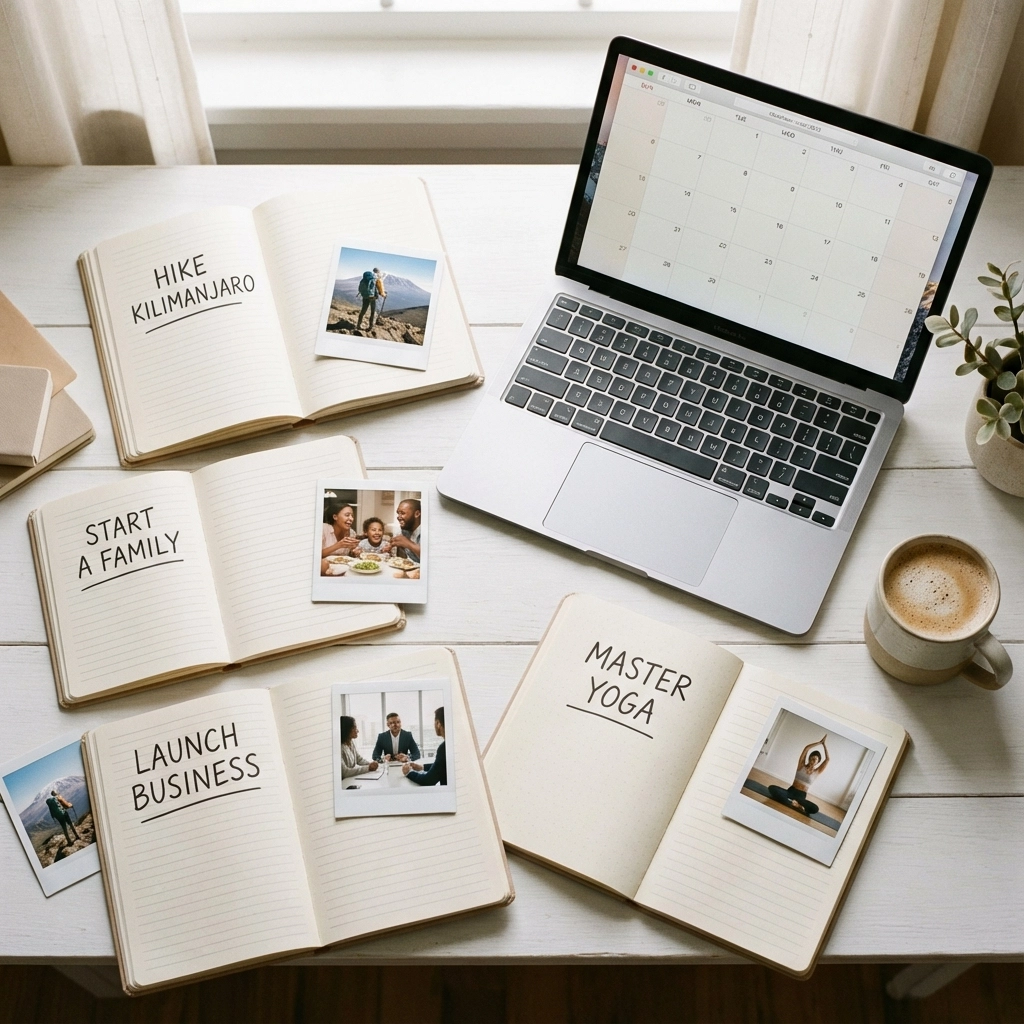
The Art of Visual Storytelling
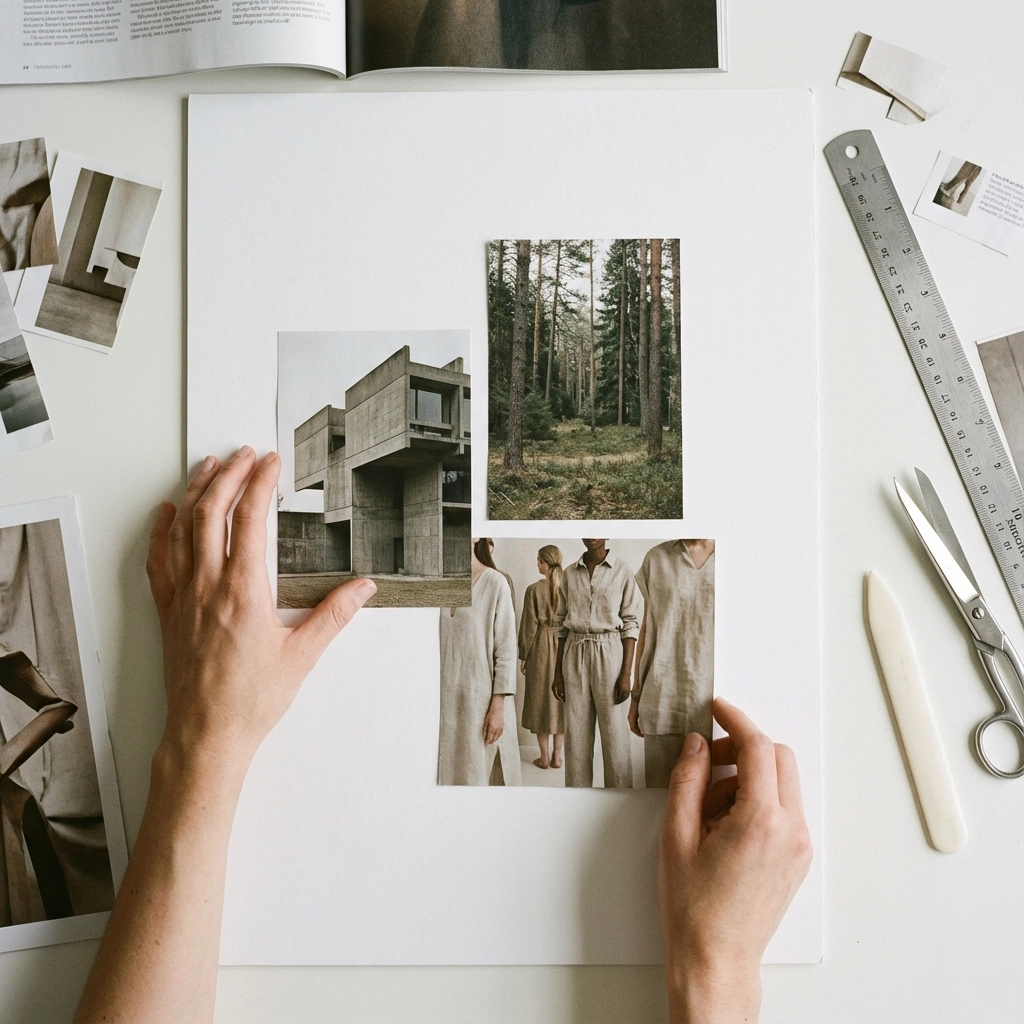
Now comes the creative part: but don't let that intimidate you if you're not "artistic." The truth is, vision boards aren't about creating museum-worthy collages; they're about creating emotional connections to your goals.
Start by gathering images that represent your goals, but pay attention to how they make you feel. Does that picture of a mountain summit fill you with excitement or dread? Does the image of a peaceful home office spark joy or feel overwhelming? Your emotional response is your guide.
Here's a practical approach:
Collect freely first : Don't edit yourself initially. Gather any image that speaks to you
Look for patterns : What themes emerge? What colors dominate? What emotions do the images evoke?
Choose consciously : Select images that create the strongest positive emotional response
Arrange with intention : Place your most important goals prominently, with supporting images around them
The truth is, the most powerful vision boards tell a story: your story of who you're becoming.
Making It Concrete: From Vision to Action
Here's where vision boarding goes beyond pretty pictures and becomes a serious goal-setting tool. For each image on your board, write down:
The specific goal it represents
Why this goal matters to you
What achieving it would look like
The first three steps you need to take
The truth is, visualization without action is just daydreaming. But visualization combined with clear action steps? That's how real change happens.
Consider breaking down larger goals into quarterly milestones. If your board includes an image representing career advancement, what specific skills do you need to develop this quarter? What conversations do you need to have? What applications or opportunities should you pursue?
The Power of Strategic Placement
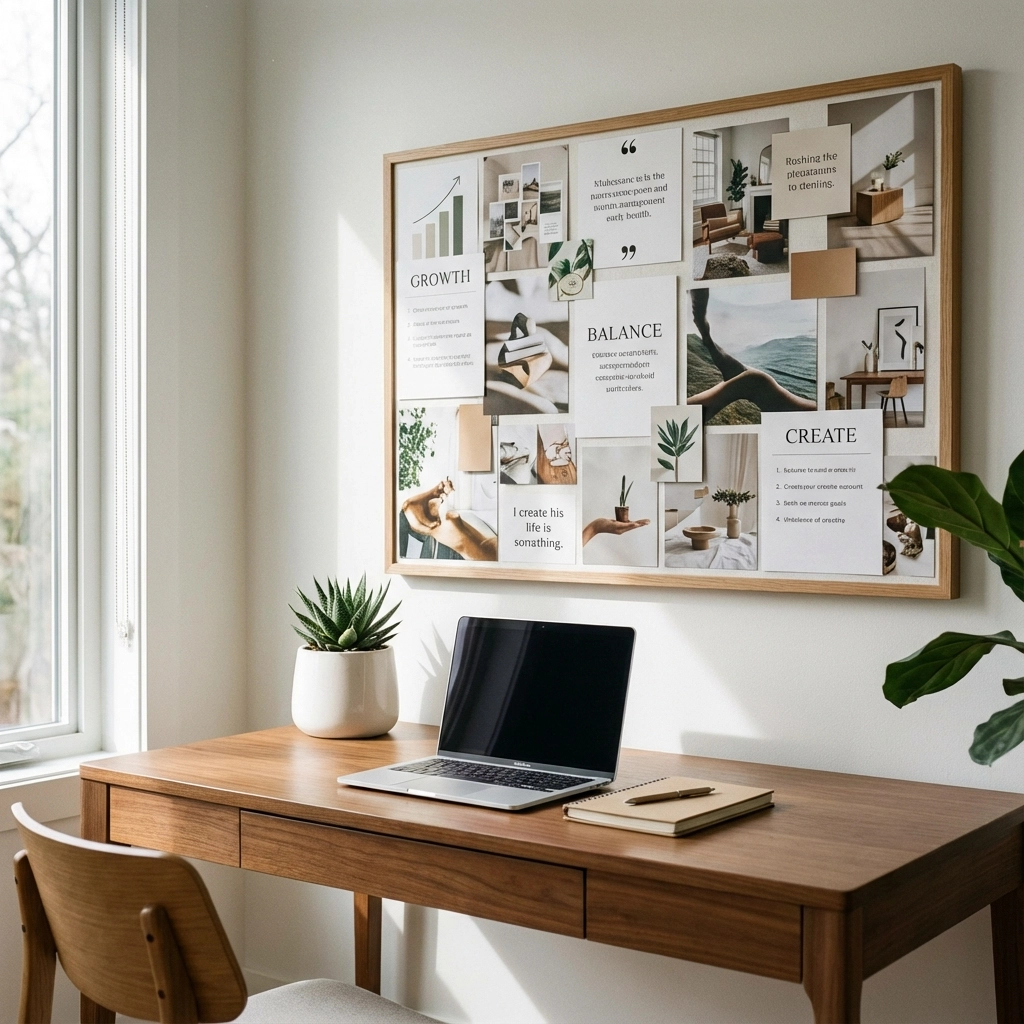
Where you put your vision board matters more than you might think. The truth is, if it's hidden in a drawer or stored on your phone, it won't work. You need to see it regularly for the psychological benefits to kick in.
Strategic placements include:
Next to your bathroom mirror (you'll see it every morning and evening)
Above your workspace (constant reinforcement during productive hours)
As your phone or computer wallpaper (multiple daily exposures)
In your kitchen (perfect for reflection during morning coffee)
The key is choosing a location where you'll see it naturally, without having to remember to look for it.
Creating Momentum Through Review
The truth is, creating your vision board is just the beginning. The real power comes from regular engagement with your visual goals. Set aside 10 minutes weekly to sit with your board and ask:
What progress have I made toward these goals?
What obstacles am I facing, and how can I overcome them?
What opportunities have I noticed this week that align with my vision?
How do these images make me feel right now?
This isn't passive daydreaming: it's active strategic thinking. You're training your brain to notice opportunities and stay focused on what matters most to you.
When Vision Meets Professional Development
The truth is, many of the goals on your vision board will require new skills, knowledge, or qualifications. Whether you're visualizing a promotion, a career change, or starting your own business, you'll likely need to invest in your professional development.
This is where strategic learning comes into play. Instead of random skill-building, align your development with your vision board goals. If leadership is on your board, consider how management training could accelerate your progress. If you're visualizing entrepreneurial success, business skills development might be your next logical step.
Evolving Your Vision
The truth is, the best vision boards aren't static. As you achieve goals, replace those images with new aspirations. As your priorities shift, update your board to reflect your current values and desires. This isn't about being fickle: it's about staying aligned with who you're becoming.
Consider creating a "success wall" where you move images from your vision board once you've achieved those goals. This creates a powerful visual reminder of your capability and momentum.
Your Purpose-Driven Year Starts Now
The truth is, most people wait for motivation to strike before taking action. But purpose-driven individuals create their own motivation through clear vision and consistent action. Your vision board isn't a magic wand: it's a strategic tool that harnesses the power of visual thinking, emotional connection, and regular focus.
This New Year, instead of making resolutions that fade by February, create a vision that pulls you forward all year long. The truth is, when you can see where you're going clearly, you're far more likely to arrive there with purpose and intention.
The question isn't whether vision boarding works: countless successful people swear by it. The question is: are you ready to get clear about what you really want and commit to the consistent action that will make it reality?
Your future self is waiting. What will you create this year?


Comments